

Scar Treatment & Revision
How Dermatologists Treat Keloid Scars: Modern Options
TL;DR: Keloid treatment often combines more than one approach because these scars can return. Options a dermatologist may consider include corticosteroid or other injections, silicone gel sheets, pressure therapy, laser treatment, surgery with follow-up treatment, and selected radiation. The AAD reports that 50% to 80% of keloids shrink after injections, though many regrow within five years. No treatment works for every keloid.
A keloid is a raised scar that extends beyond the original wound. Because no single treatment works best for every keloid and recurrence is common, dermatologists may use more than one approach. This guide explains how keloids differ from hypertrophic scars, which clinician-directed options may be considered, and what to discuss at a scar evaluation.
What Is a Keloid Scar, and How Is It Different From a Hypertrophic Scar?
A keloid is a raised scar that grows beyond the original wound. A hypertrophic scar stays within the wound's borders and often becomes less noticeable over time. Keloids generally do not fade on their own.
Both are benign. According to the American Academy of Dermatology (AAD), keloids do not turn into cancer, although they can itch, feel tender, or restrict movement when they form near a joint.
Keloid scar vs. hypertrophic scar at a glance
| Feature | Keloid Scar | Hypertrophic Scar |
|---|---|---|
| Growth pattern | Extends beyond the original wound | Stays within the wound borders |
| Timing | May appear months after an injury | Usually appears 1 to 2 months after an injury |
| Change over time | Generally does not fade on its own | Often becomes less noticeable over time |
| Cancer | Does not turn into cancer | Is a benign type of raised scar |
How dermatologists diagnose a keloid
A dermatologist can usually diagnose a keloid by examining it. Because another condition, such as an allergic reaction to earring metal, can resemble a keloid, a dermatologist may occasionally perform a skin biopsy. The area is numbed first, and a small sample is examined under a microscope.
If a raised scar is changing or you are unsure what it is, seek a professional evaluation rather than trying to diagnose or remove it yourself.
What Causes Keloids, and Who Is More Likely to Develop One?
Keloids are made of extra scar tissue that forms as skin heals. Anyone can develop one, and nearly any skin injury can be a trigger in someone who is susceptible.
Common causes and triggers
- Ear and body piercings
- Surgical incisions and vaccination sites
- Acne, chickenpox, or burns
- Cuts, scrapes, and tattoos
A keloid may take months to appear and can grow slowly for months or years.
Family history and skin tone
The AAD reports that between 33% and 50% of people who develop a keloid have at least one blood relative who also gets them. People of all races can develop keloids, but observed risk is higher among people with darker skin tones, including Black people and people of Asian, Latin American, or Mediterranean descent.
Age, family history, the scar's location, skin tone, and response to previous treatment can all help a dermatologist discuss appropriate options and the risk of pigment changes.
What Treatment Options May a Dermatologist Consider?
Keloid treatment may include corticosteroid or other injections, silicone gel sheets, pressure therapy, laser treatment, surgical excision with follow-up treatment, and, in selected cases, radiation. The appropriate plan depends on the scar's size and location, symptoms, skin tone, and response to prior treatment. An evaluation is needed to determine which approaches are appropriate and available.
PS Dermatology and Surgery evaluates scar treatment options in Bridgewater, NJ. A small earlobe keloid and a broad chest keloid may require different discussions and treatment plans.
Why more than one treatment may be considered
The AAD notes that dermatologists often recommend more than one treatment because keloids can return. For example, surgery may be followed by injections, or pressure therapy. No approach prevents recurrence in every person.
Setting realistic goals before treatment
Before an appointment, consider which goal matters most to you:
- Relieving itch or tenderness
- Flattening or softening a raised scar
- Improving movement near a joint
- Improving the scar's appearance
Clear goals help a dermatologist explain what treatment may and may not accomplish. Outcomes vary from person to person.
How Do Injections Treat Keloids?
What to expect from an injection series
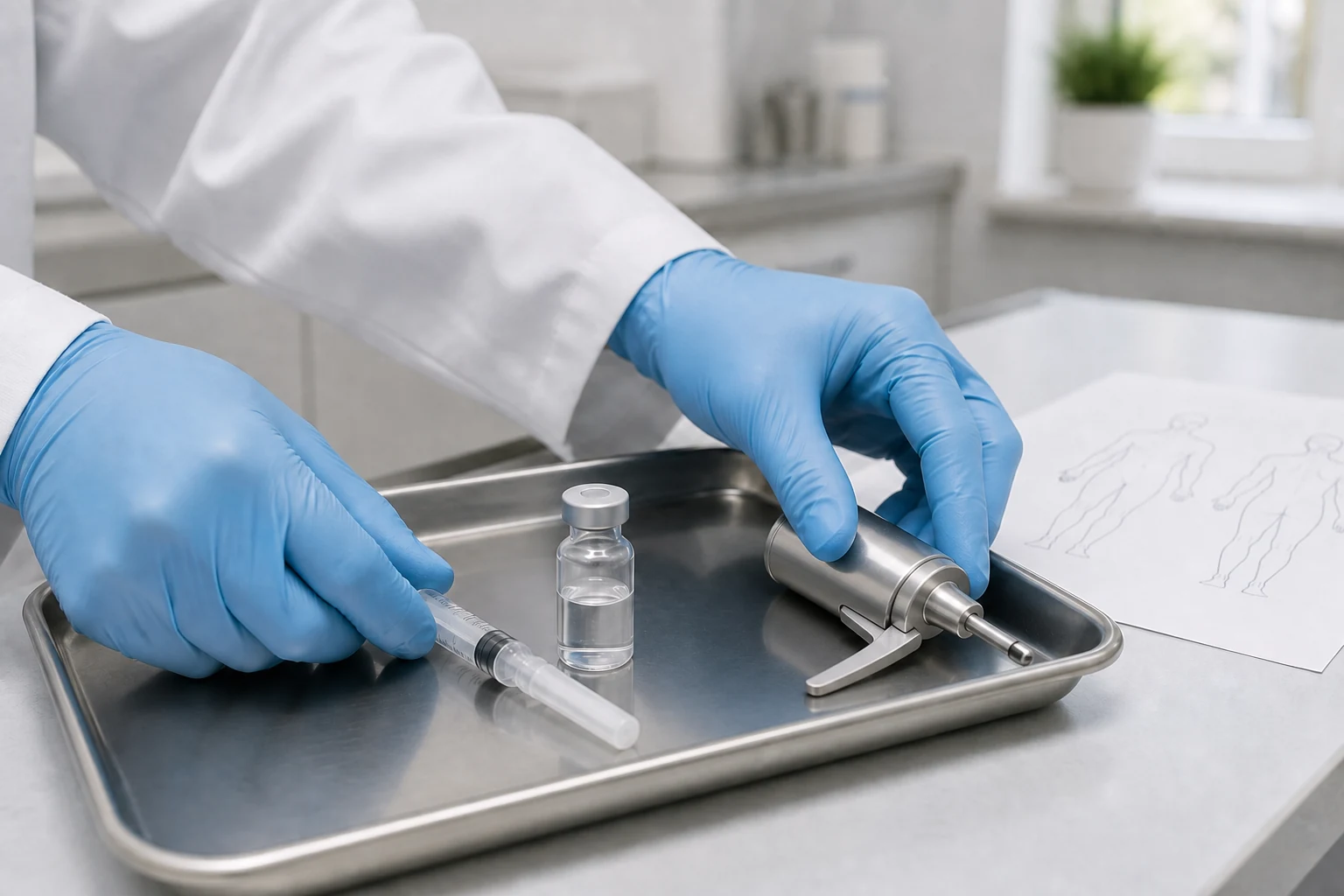
Corticosteroid or other medication injections are generally given as a series. Early injections may relieve symptoms and soften the scar. Because regrowth is possible, a dermatologist may discuss follow-up treatment such as surgery or a pressure garment.
In darker skin tones, corticosteroid injections can cause light spots at the injection site. A dermatologist can discuss that risk and whether another medication may be appropriate.
How May Laser Treatment and Radiation Be Used?
Laser treatment may reduce a keloid's height and fade its color. Radiation is sometimes used after another treatment, such as surgery, to reduce recurrence risk. Neither option prevents recurrence in every person, and neither is appropriate for everyone.
Laser treatment for height and color
Laser treatment is often combined with injections or pressure therapy. The appropriate laser and treatment schedule depend on the scar and the patient's skin. A dermatologist should explain expected benefits and risks, including possible pigment changes.
Radiation after another keloid treatment
Radiation has long been used after another keloid treatment to reduce recurrence risk. The AAD notes potential drawbacks, including peeling, itching, permanent color changes, and reports of cancer years later. The AAD also notes that superficial radiation therapy may be considered after keloid surgery when appropriate dosing and protection of unaffected areas are used.
If radiation is being considered, discuss its risks, alternatives, and safety measures with the treating dermatologist and radiation specialist.
When May Surgical Excision or Scar Revision Be Considered?
Surgical excision removes the keloid, but the AAD reports that nearly 100% of keloids return after surgery alone. For that reason, surgery is usually paired with follow-up treatment.
How surgical excision works
Our dermatologic surgeon, Dr. Parth Patel, cuts out the keloid after which the patient recieves followup treatment with intralesional injections and/or radiation therapy. Whether excision or another approach is appropriate requires an individual evaluation.
Scar revision and follow-up treatment
Scar revision aims to improve a scar's appearance or function while reducing the chance of another raised scar. Recurrence remains possible even when treatments are combined.
Why Do Keloids Return, and How Can Recurrence Risk Be Reduced?
The healing tendency that produced a keloid can remain active, so recurrence is common, especially after surgery without follow-up treatment. Long-term care and realistic expectations are important.
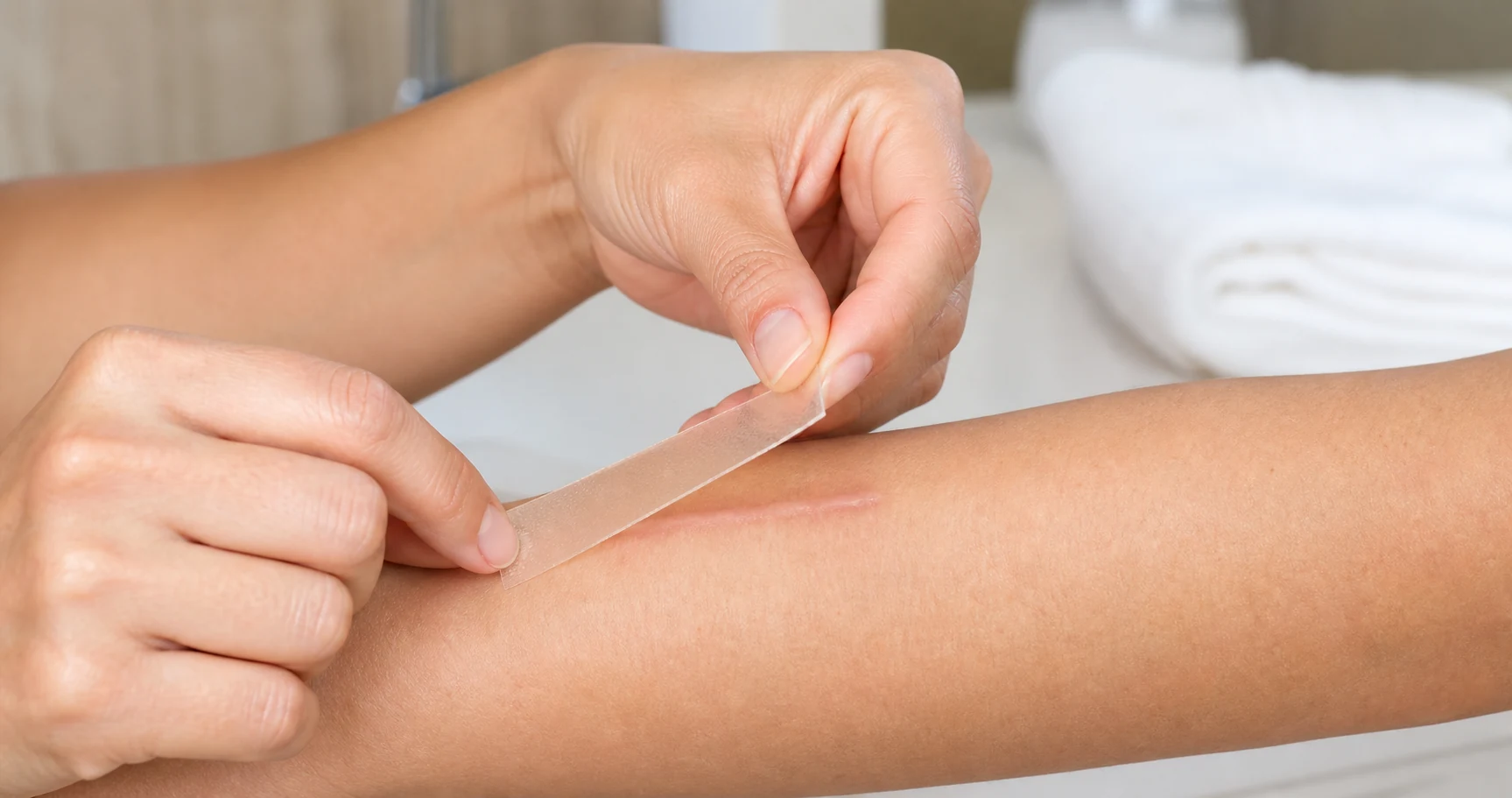
Pressure therapy and silicone sheets
- Pressure earrings or garments: When prescribed, these devices may be worn 12 to 20 hours a day for several months to reduce blood flow to the scar.
- Silicone gel sheets: Medical-grade sheets may help flatten a keloid and may be used after another treatment. Never apply one to a scab or open wound.
Follow the instructions from your treating clinician. Pressure devices can be uncomfortable, and silicone sheets should be used only after the skin has healed.
Follow-up and prevention
Complete the treatment plan and attend recommended follow-up visits. If you have a personal or family history of keloids, mention it before an elective procedure or piercing so a clinician can discuss preventive steps.
When Should You Ask for a Keloid Evaluation?
Consider a dermatology evaluation if a raised scar is growing, painful, itchy, limiting movement, or concerning to you. A visit can confirm the diagnosis and clarify which options may fit your scar and skin.
Cost and insurance considerations
Cost varies with the scar's size and location, the number of visits, and the treatments used. Coverage varies by insurer, plan, symptoms, and whether treatment is considered medically necessary; cosmetic treatment may be self-pay. We encourage you to ask about coverage and out-of-pocket costs before starting treatment.
What a consultation may include
Our consultation includes an examination, review of prior treatments, and discussion of goals, risks, recurrence, and timeline. Treatment plans can unfold over months. PS Dermatology and Surgery and Dr. Parth Patel serve patients across Somerset, Hunterdon, and Middlesex counties. This article is educational and is not a substitute for personalized medical advice.
Discuss Your Scar With our Dermatology Professionals
Looking for treatment close to home? Dr. Patel offers keloid removal in Bridgewater, NJ, including injections, surgical removal and laser, in one office.
PS Dermatology and Surgery and Dr. Parth Patel in Bridgewater, New Jersey can evaluate your scar and discuss which available treatment options may be appropriate. Individual results and treatment plans vary.
Schedule a Scar Evaluation Online
Sources
- American Academy of Dermatology: Keloids Overview
- American Academy of Dermatology: Keloids Treatment
- MedlinePlus: Keloids
Frequently Asked Questions
What treatment options may a dermatologist consider for a keloid?
A dermatologist may consider corticosteroid or other injections, silicone gel sheets, pressure therapy, laser treatment, surgical excision with follow-up treatment, and, in selected cases, radiation. The appropriate options depend on the scar, the patient's skin, symptoms, and response to previous treatment.
How is a keloid different from a hypertrophic scar?
A keloid grows beyond the original wound and generally does not fade on its own. A hypertrophic scar stays within the wound's borders and often becomes less noticeable over time. Both are benign types of raised scars.
How do dermatologists diagnose a keloid scar?
A dermatologist can usually diagnose a keloid by examining it. If another condition could be causing the growth, the dermatologist may numb the area and perform a small skin biopsy for examination under a microscope.
Do keloid scars go away without treatment?
Keloids generally do not fade on their own. Because they are usually harmless, treatment is not always necessary. If a keloid is painful, itchy, limits movement, or bothers you, a dermatologist can discuss options that may reduce its size or symptoms.
Can a keloid scar turn into cancer?
No. The American Academy of Dermatology states that keloids do not turn into cancer. If a raised scar changes or you are unsure what it is, seek a professional evaluation rather than assuming it is a keloid.
What kind of doctor should evaluate a keloid?
A board-certified dermatologist can evaluate a suspected keloid, confirm the diagnosis, and discuss treatment options.
Can a keloid return after treatment?
Yes. Keloids can recur after treatment, and no option works for every keloid. Dermatologists may combine treatments to improve results and reduce recurrence risk, but outcomes vary from person to person.
Ready to talk with a dermatologist?
Schedule a visit with our team at PS Dermatology and Surgery in Bridgewater, NJ - serving patients throughout Central New Jersey.