
What is Melasma?
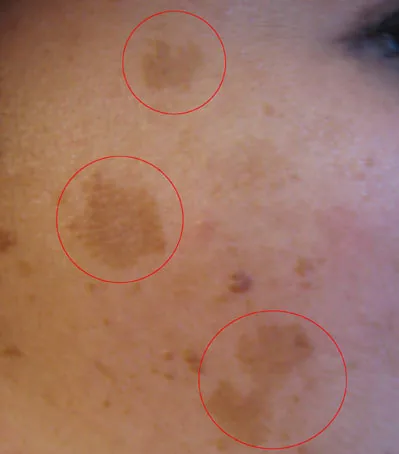
Melasma is either a transient or chronic condition that causes hyperpigmentation of the skin. Most often, it affects the skin of the face including the forehead, cheeks, around the eyes, or above the upper lip.
The disorder occurs more often in women than in men. The age of onset is typically between 20 and 40 years old, but it can occur in childhood or middle age. Pregnancy is a common trigger because of hormonal changes. However, melasma also arises in healthy, non-pregnant adults. Other predisposing factors include darker skin tones (Fitzpatrick skin types 3 and 4), sun exposure and damage, family history, hormone medicaments (oral contraceptives), and hypothyroidism.
What Causes Melasma and How Do I Know if I Have It?
Melasma is the result of increased activity of melanocytes, the cells responsible for producing melanin. Melanin is the pigment you see in the skin. As a result, excess melanin builds up in the skin and causes local hyperpigmentation. The exact trigger is unknown, but higher levels of melanocyte-stimulating hormone (MSH), estrogens, and progesterone are thought to play an important role.
Melasma often appears as a single, well-defined brown macule, but it can also show up as multiple symmetrical spots on the skin. A macule is a lesion at the level of the skin — it cannot be felt when you touch it, like a freckle.
How to Help Prevent Melasma
- Wear year-round high SPF (50+) sun protection and reapply every 80 minutes. For better results, use a broad-brimmed hat and seek shade when possible.
- Use a gentle, dermatologically tested cleanser and a non-comedogenic moisturizer.
- Talk with your doctor about whether hormone therapy should be adjusted or stopped.
Treatment Options for Melasma
In some cases, melasma fades when the precipitating factor resolves, like pregnancy or adequate thyroid treatment. In more stubborn cases, pharmacological treatment is necessary. The main goal is to slow the melanin production pathway.
Topical tyrosinase inhibitors like hydroquinone are often the first choice. Tyrosinase is one of the enzymes involved in melanin production. Other melanogenesis inhibitors include azelaic acid, kojic acid, and ascorbic acid (vitamin C). Agents that cause superficial peeling also help by lightening hyperpigmentation and allowing better penetration of melanogenesis inhibitors into the skin. Suggested therapies include topical retinoids such as tretinoin, topical AHA/BHA acids, salicylic acid, and tranexamic acid. Combination therapy has proven most effective. PS Dermatology & Surgery will devise a plan suited to your needs.