

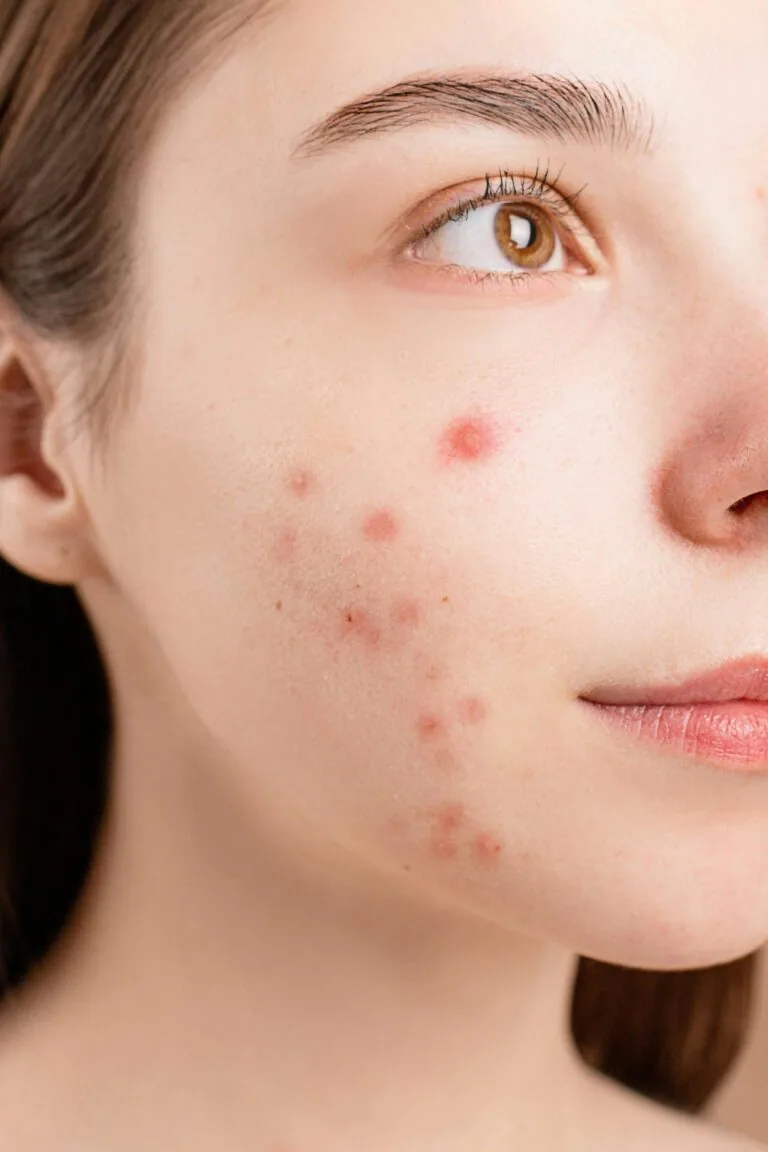
Acne Treatment in Bridgewater NJ

Clear, confident skin again

Comprehensive acne treatment tailored to your unique skin — topical therapies, prescription medications, hormonal regimens, isotretinoin, and advanced scar revision — so you can achieve the clear, confident complexion you deserve.

Advanced Acne Treatment in Bridgewater NJ

Understanding Acne

At a Glance

Acne is one of the most common skin conditions we treat - affecting adolescents, adults with hormonal fluctuations, and patients prone to inflammatory or cystic breakouts. Dr. Parth Patel builds personalized plans that combine the right topicals, oral medications, and procedures for your skin type and acne severity.

Why Does Acne Occur?

Acne develops when excess oil (sebum), dead skin cells, and bacteria combine inside hair follicles, triggering inflammation. Three factors drive most breakouts:

  • Hormones during adolescence - puberty raises androgen levels, which increases oil production and pore-clogging.
  • Monthly hormonal fluctuations - many women experience flares tied to their menstrual cycle.
  • Genetics - inherited differences in oil-gland activity and skin-cell turnover make some people more acne-prone than others.
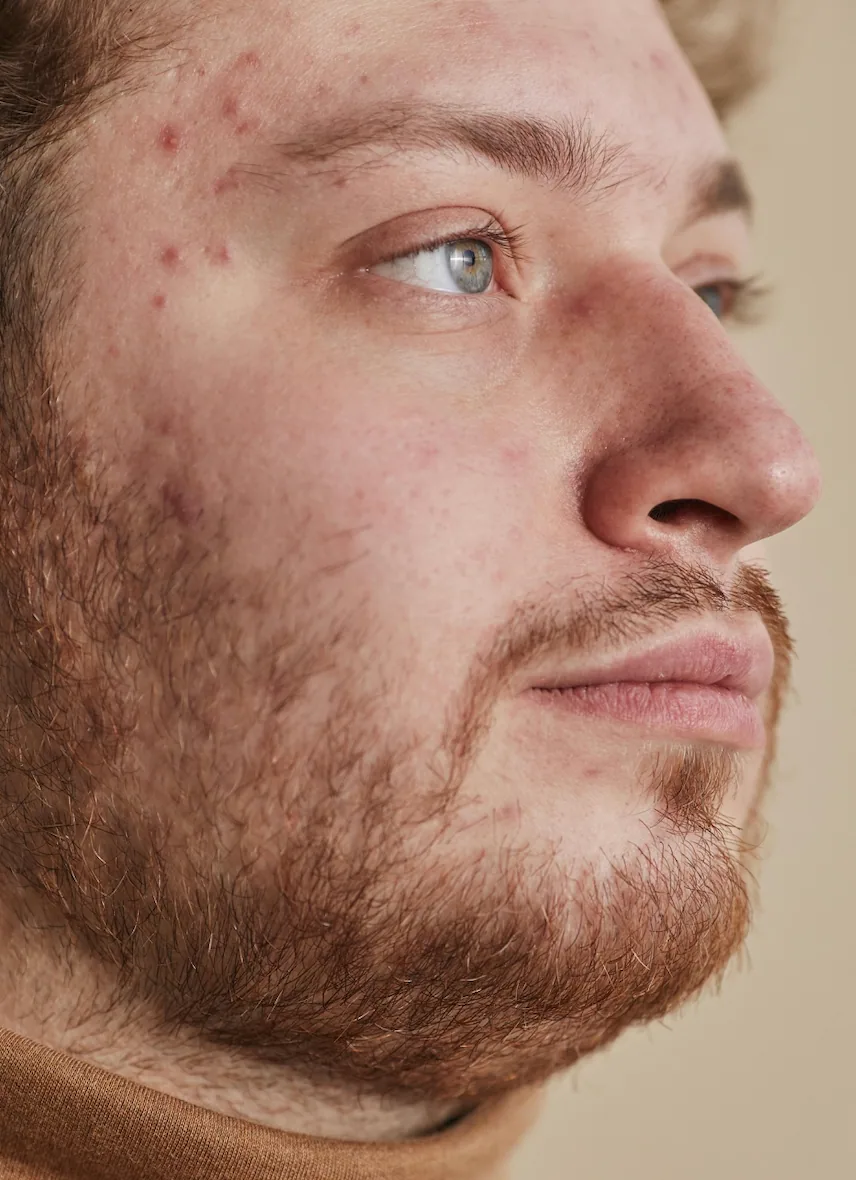
Diagram of a clogged hair follicle producing a comedone

Common Types of Acne

Acne presents along a spectrum - from mild non-inflammatory comedones to deep, painful cystic lesions. Identifying the type guides the treatment plan.

Blackheads

Open comedones - pores clogged with oil and dead skin that oxidize to a dark appearance at the surface.

Whiteheads

Closed comedones - clogged pores capped with a thin layer of skin, appearing as small white or flesh-toned bumps.

Papules & Pustules

Inflammatory acne - small red bumps (papules) and pus-filled lesions (pustules) caused by bacteria and inflammation.

Cysts & Nodules

Severe acne - large, deep, painful pus-filled lesions that often heal with scarring if not aggressively treated.

Fungal Acne

Less common - uniform itchy bumps caused by yeast overgrowth in follicles. Treated with topical or oral anti-fungals, not standard acne medications.

Acne Treatment Options

Treatment is matched to acne type, severity, and skin tolerance. Dr. Parth Patel typically combines two or three of the approaches below to target oil, bacteria, and inflammation at the same time.

Unclogging Pores

Topical retinoids (tretinoin, adapalene, retinol) normalize skin-cell turnover; salicylic and glycolic acid keratolytics dissolve the plug at the surface.

Killing Bacteria

Benzoyl peroxide reduces C. acnes bacteria; topical and short-course oral antibiotics calm moderate-to-severe inflammation.

Hormonal Therapy

For hormonally driven acne in women - oral contraceptives or spironolactone lower the androgen signal that drives oil production.

Isotretinoin

An oral medication for severe, scarring, or treatment-resistant acne. Shrinks oil glands over a ~6-month course with monthly monitoring.

Chemical Peels

In-office salicylic, glycolic, or TCA peels clear active breakouts and fade post-inflammatory pigment between flares.

Procedural Adjuncts

Intralesional steroid injections flatten painful cysts within 24-48 hours; comedone extractions clear stubborn blackheads.
Ready to Say Goodbye to Acne for Good?

Don't let acne control your confidence. PS Dermatology & Surgery offers personalized treatment plans - from hormonal therapy to advanced scar revision - to give you the clear, healthy skin you've always wanted.

Advanced Acne Treatment in Bridgewater NJ

Frequently Asked Questions About Acne Treatment

What is Acne and how does it develop?

Acne is a common skin condition that occurs when hair follicles become clogged with oil (sebum) and dead skin cells. It develops when excess oil production, blocked pores, bacteria, and inflammation combine, often influenced by hormones, genetics, stress, or skincare habits. This process can lead to blackheads, whiteheads, pimples, or deeper, more painful breakouts on the face and body.

Why do some people get Acne and not others?

Acne affects people differently because everyone's skin biology is unique. Factors such as genetics, hormone levels, oil production, immune response, and lifestyle all play a role in how likely someone is to develop breakouts. While some people are more prone due to inherited traits or hormonal changes, others may never experience acne because their pores clog less easily or their skin handles bacteria and inflammation more effectively.

What are my treatment options for Acne?
  • Topical (applied to the skin) treatments

    • Retinoids (such as adapalene or tretinoin) help keep pores clear and prevent new breakouts

    • Benzoyl peroxide and/or sulfur reduces acne-causing bacteria and helps calm inflammation

    • Topical antibiotics help control bacteria on the skin

    • Azelaic acid helps treat acne while also improving redness and dark spots

    • Clascoterone cream is a topical androgen receptor blocker that decreases sebum production

  • Oral (taken by mouth) medications

    • Oral antibiotics help reduce bacteria and inflammation in moderate to more severe acne, but they can only be used short term.

    • Hormonal treatments, such as certain birth control pills or spironolactone, can be helpful for hormone-related acne

  • Isotretinoin

    • An oral medication used for severe, stubborn, or scarring acne

    • Works by reducing oil production and preventing clogged pores

    • Requires an approximately 6 month course with monthly visits during this time

Acne treatment is not one-size-fits-all. Dr. Patel and the team at PS Dermatology and Surgery will create a personalized plan based on your skin type, acne severity, and overall health.

What are my treatment options for Acne Scarring?

There are several effective treatment options available to improve the appearance of acne scarring, and the best approach depends on the type, depth, and severity of your scars. Many patients benefit from a customized treatment plan that may combine more than one procedure for optimal results.

  • Chemical peels help smooth skin texture and improve discoloration by removing damaged outer layers of skin

  • TCA or Phenol CROSS targets deep, narrow scars by stimulating collagen within the scar

  • Fraxel laser improves skin texture and softens scars by promoting collagen renewal

  • CO₂ laser resurfaces the skin to treat deeper scars and stimulate new collagen

  • Subcision releases scars that are tethered beneath the skin to allow smoother healing

  • Filler restores lost volume and helps lift depressed scars for a smoother appearance

Dr. Patel and the team at PS Dermatology and Surgery will guide you in choosing the most appropriate treatment for your skin and goals.

Call PS Dermatology 732-443-3975