
Understanding Skin Cancer: Your Guide to Prevention, Detection, and Treatment
Skin cancer is the most common form of cancer in the United States, affecting millions of people each year. It arises from abnormal growth of cells in the outer layer of your skin. These abnormal cells multiply rapidly and form malignant tumors due to unrepaired DNA damage, often caused by exposure to ultraviolet (UV) radiation from the sun over a lifetime.
The Different Types of Skin Cancer
Skin cancer manifests in various forms, each with distinct characteristics and prognoses. Here’s a breakdown of the three main types.
The most prevalent type. BCCs grow slowly and rarely spread. They typically present as pearly or waxy bumps, pink or red patches with a raised border, or open sores that heal and reopen.
Also relatively common and treatable. SCCs often appear as scaly red patches, rough or crusty bumps, or thick, horny areas with a raised border.
The least frequent but most serious form. It can spread aggressively if untreated and may appear as a dark mole that changes in size, shape, or color, a mole with an uneven border and multiple colors, or a new mole that bleeds or becomes itchy.
Unveiling the Risk Factors
While anyone can develop skin cancer, certain factors increase your susceptibility:
- Excessive UV exposure: Sunburns, particularly during childhood, and frequent tanning (including indoor tanning beds) significantly raise your risk.
- Fair skin: People with lighter skin tones have less melanin, a pigment that protects against UV rays.
- Personal history of skin cancer: Having had skin cancer in the past raises your risk of developing it again.
- Family history: A family history of skin cancer raises your risk.
- Weakened immune system: Organ transplant recipients and people with HIV/AIDS are more susceptible.
Guarding Yourself: Effective Skin Cancer Prevention Strategies
The good news is that skin cancer is largely preventable by adopting sun-safe practices:
- Seek shade: Especially during peak sun hours (10 am to 4 pm).
- Sun protective clothing: Wear long-sleeved shirts, pants, wide-brimmed hats, and UV-protective sunglasses.
- Sunscreen: Apply broad-spectrum sunscreen with SPF 30 or higher generously and reapply every two hours, or more often if swimming or sweating.
- Tanning bed avoidance: Indoor tanning emits harmful UV rays and significantly raises skin cancer risk.
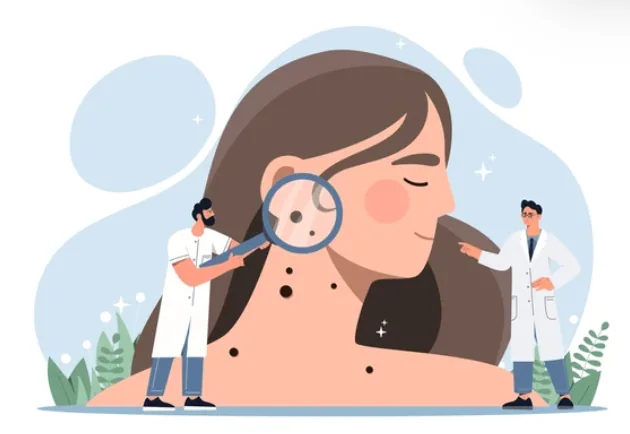
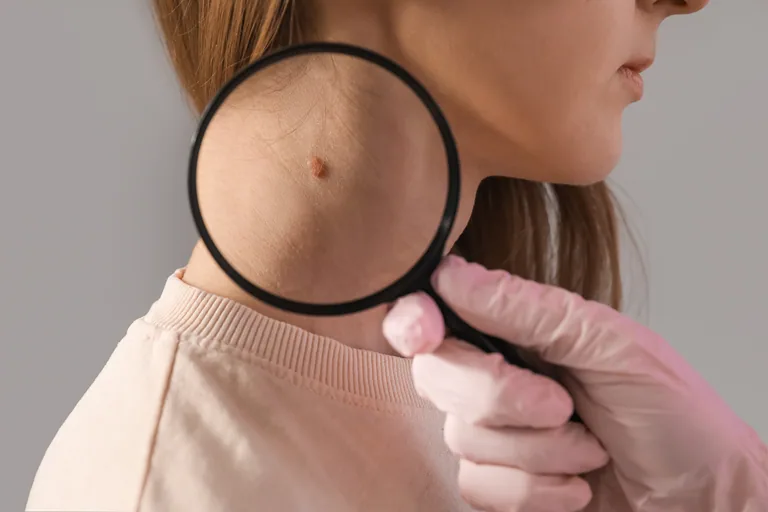
- Self-exams: Regularly examine your skin from head to toe, including areas like the scalp, palms, soles of your feet, and behind the ears. Look for any new, changing, or suspicious moles or spots.
Early Detection is Key: Recognizing the Signs of Skin Cancer
Early detection is crucial for successful skin cancer treatment. Familiarize yourself with the signs and symptoms and perform skin self-exams. Also get your regular skin checks with your dermatologist; ours is Dr. Patel. Be on the lookout for:
- New or changing moles: Pay close attention to moles that change in size, shape, or color.
- Unusual growths: Any new, unusual bumps, lumps, or growths on your skin warrant a doctor’s visit.
- Bleeding or itching moles: Moles that bleed or become itchy can be a cause for concern.
- Persistent sores: Sores that don’t heal within a few weeks should be checked by a doctor.
If you notice any of these signs, don’t hesitate to schedule an appointment with Dr. Patel for a proper diagnosis. Early detection significantly improves the chances of successful treatment with minimal scarring or disfigurement.
Treatment Options for Skin Cancer
Treatment for skin cancer depends on the type, stage, and location of the tumor. Schedule an appointment today to see what is the best treatment option for you.