
What is Herpes Simplex Virus?
Herpes simplex virus 1 (HSV-1) and 2 (HSV-2) are a set of viruses that cause infections which set up a low-grade chronic infection. Both HSV-1 and HSV-2 are relatively common and contagious. They are closely related to other herpesvirus infections, namely: Varicella/Shingles, Epstein-Barr Virus (Mono), and CMV.
By prevalence, HSV-1 affects 8 out of every 10 people, and HSV-2 affects 3 out of every 10 people, according to a study done by the National Center for Biotechnology Information (NCBI). Many HSV-1 infections are picked up in early childhood as children share toys with each other. It's possible to be re-infected in new locations, and the virus can also reactivate in the same location as before. It's also important to note that the herpes simplex virus can affect anyone regardless of age.
HSV-1
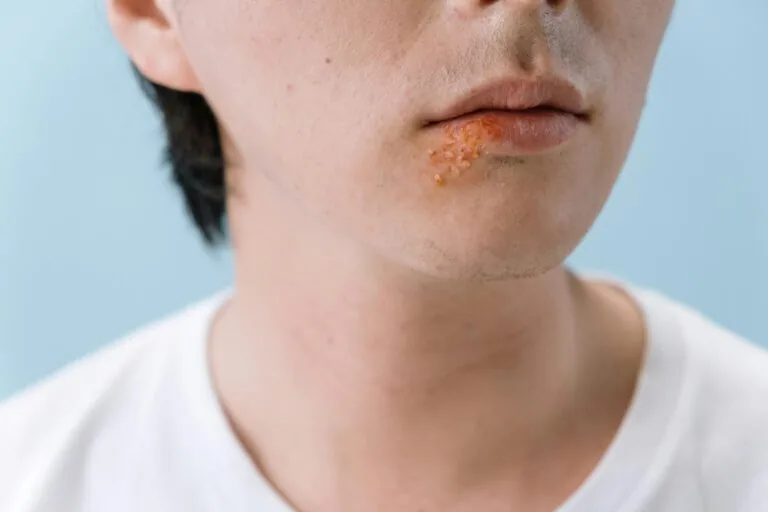
HSV-1 mostly causes oral herpes, which shows up on the lips and oral mucosa (cheek lining and gums). It is generally responsible for cold sores and fever blisters. It can also affect the area around the nose and the fingertips in people who may be exposed to others' saliva (i.e. dentists, hygienists, parents).
HSV-1 can be picked up from everyday interactions such as sharing the same utensils, lip balms, toothbrushes, and even kisses. The risk of spread is highest if there is an active cold sore, however, asymptomatic spread is also possible.
HSV-2
This is commonly known as genital herpes, although it can be acquired by numerous other means. It is often contracted through various forms of sexual contact with a person already infected with HSV-2. HSV-2 can be subtle, and most patients who are infected aren't aware of it. In most patients with normal immune systems, HSV outbreaks might be minor and confused for an ingrown hair or pimple that occasionally recurs. It's important to let PS Dermatology & Surgery diagnose your lesion of concern to give you an appropriate and accurate diagnosis.
Risk Factors & Signs/Symptoms
Risk is based largely or almost entirely on exposure. Risk factors for HSV-2 can be unprotected sex and multiple sexual partners. It could also be the presence of another STI (Sexually Transmitted Infection) such as HIV. If a pregnant woman has genital herpes near delivery, it can predispose the child to both types of HSV.
Many people who get the herpes simplex virus sometimes don't feel or notice anything. If signs (what is visible) and symptoms (what you feel) occur, a person might notice tingling, itching, or burning. Before the blisters appear, an infected person might feel a tingle, itch, or burn for a few days.
Painful sores and fluid-filled blisters often appear. Blisters often break open, and fluid can ooze out and form a crust. This could appear in the oral region or genitals, depending on the type of HSV. For genital herpes, there could be pain during urination. An infected person may also feel flu-like symptoms such as fever, headaches, fatigue, sore throat, and lack of appetite.
Although most blisters are found on the lips, face, around the mouth and nose, and the tongue, it is possible to find HSV-1 on any other area of the skin, including the groin.
Both HSV-1 and HSV-2 can spread to the eye to cause an infection called Herpes Keratitis. However, type 1 is the most frequent cause. It can be transferred by touching an active lesion and then touching your eye. Symptoms include redness, cloudy vision, discharge, and increased sensitivity to light. If not managed by a professional, it could cause severe damage to the eye.
It's important to note that the Herpes simplex virus stays in the nerve roots even after the outbreak is gone. It stays dormant until it is triggered to recur by various factors. During the initial outbreak (primary outbreak), most people experience the most severe physical symptoms.
Later outbreaks may be triggered by stress, trauma, underlying illness, sun exposure/sunburn, and even menstruation. Each patient can often identify their own personal triggers as well.
Treatment for HSV
Treatment is quite similar for both HSV-1 and HSV-2, and includes oral antivirals such as Acyclovir, Valacyclovir, and Famciclovir.
Topical therapy includes acyclovir cream and ointment, penciclovir, and docosanol cream. This is a cheaper way of managing HSV; however, these drugs offer lower effectiveness because they are superficial.
Intravenous therapy is often reserved for widespread and mucocutaneous HSV infections in immunocompromised patients or neonatal HSV.
Frequently, the effects of HSV can cause psychological anxiety, low self-esteem, and more. Therapy and a lack of stigma can do a lot of good.
Outbreaks generally become less frequent and less severe over time. There are numerous effective treatments, so make an appointment at PS Dermatology & Surgery today.