

Cosmetic Dermatology
CO2 Laser Recovery: What to Expect Week by Week
TL;DR: CO2 laser recovery involves about 1 to 2 weeks of visible social downtime, with swelling and a sunburned feeling in the first 48 hours, peeling around days 3 to 7, and new pink skin forming over roughly 7 to 10 days. Residual redness and collagen remodeling continue for months.
Fractional CO2 laser resurfacing creates a controlled injury in the skin so new surface skin can form and collagen can remodel over time. Because CO2 is an ablative laser, recovery is more involved than with many nonablative treatments. The visible phase often lasts about one to two weeks, but redness, sensitivity, and collagen remodeling can continue beyond that.
The exact timeline depends on the treatment area, laser settings, treatment density, your skin’s response, and the aftercare plan. Think of the schedule below as a planning framework—not a promise that every person will heal on the same day.
Social Downtime Is Not the Same as Complete Healing
“Downtime” can mean different things. Social downtime is the period when redness, swelling, peeling, or crusting may make you prefer to stay home. Complete healing takes longer. Even after the surface has closed and you feel ready to return to work, the skin may remain pink or sensitive while deeper remodeling continues.
PS Dermatology’s fractional CO2 laser treatment is customized to the concern being treated. A lighter treatment over a small area may recover differently from a deeper or larger-area procedure.
Before Treatment: Set Up a Recovery Plan
Your consultation should include your medical history, medications and supplements, prior cosmetic procedures, cold-sore history, tendency to form raised scars or dark marks, recent tanning or sun exposure, and any upcoming travel or events. Do not stop prescription medication unless the prescribing clinician and treating dermatologist tell you to do so.
Before treatment, ask:
- Which area will be treated, and how intensive is the planned session?
- How much visible downtime should I plan for my settings?
- Which cleanser, ointment, moisturizer, and sunscreen should I have ready?
- When may I restart makeup, exercise, shaving, and active skin-care products?
- How do I reach the office if healing does not match the expected course?
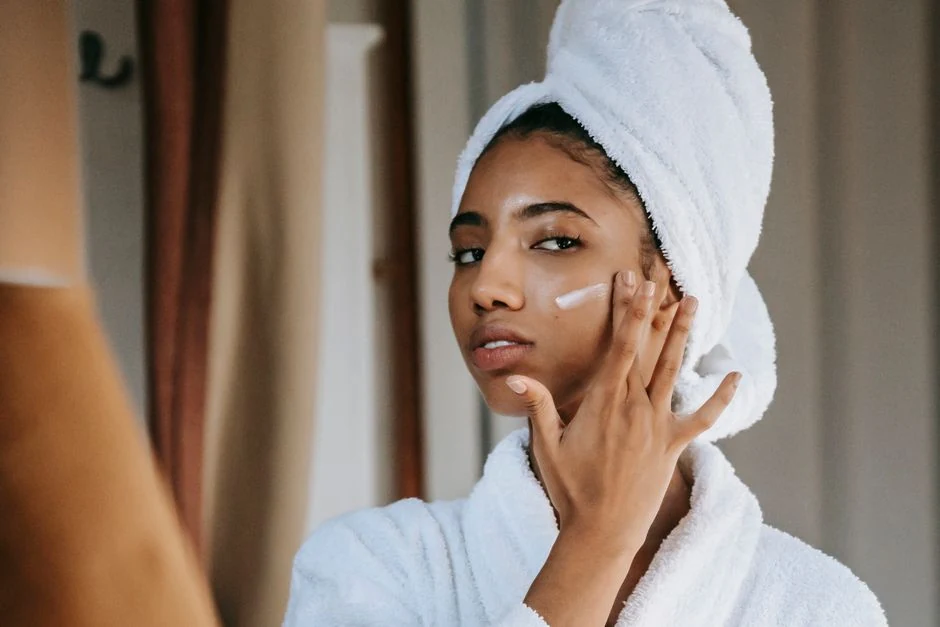
The First 48 Hours After CO2 Laser
Redness, swelling, warmth, tenderness, and a tight or sunburn-like sensation are common early effects. Depending on the treatment, the skin may also ooze clear fluid or begin forming a light crust. Swelling can be more noticeable in the morning or around the eyes.
Follow the written instructions from the treating office. Those directions may cover gentle cleansing, an approved ointment or moisturizer, sleeping position, compresses, and any prescribed medication. Avoid adding unapproved products—even familiar “gentle” products can sting or irritate freshly treated skin.
Days 3–7: Peeling and New Surface Skin
As the skin begins to repair, it may feel dry, itchy, rough, or tight. Flaking and peeling can occur. Do not pick, scrub, or pull at peeling skin. Premature removal can increase irritation and may affect healing.
Color can range from pink to red, and the surface may look uneven while different areas heal. Continue the aftercare plan exactly as provided. Contact the office if symptoms are worsening rather than gradually improving.
Around Days 7–14: Returning to Regular Activities
The Mayo Clinic notes that new surface skin commonly forms within roughly 7–10 days after ablative resurfacing, although the timeline varies. We at PS Dermatology describe approximately one to two weeks of downtime for our fractional CO2 treatment.
By the second week, many patients see less peeling and swelling, but the skin may still be pink, sensitive, or visibly different from its final appearance. The office should tell you when it is appropriate to resume makeup, exercise, shaving, swimming, and usual skin-care products.
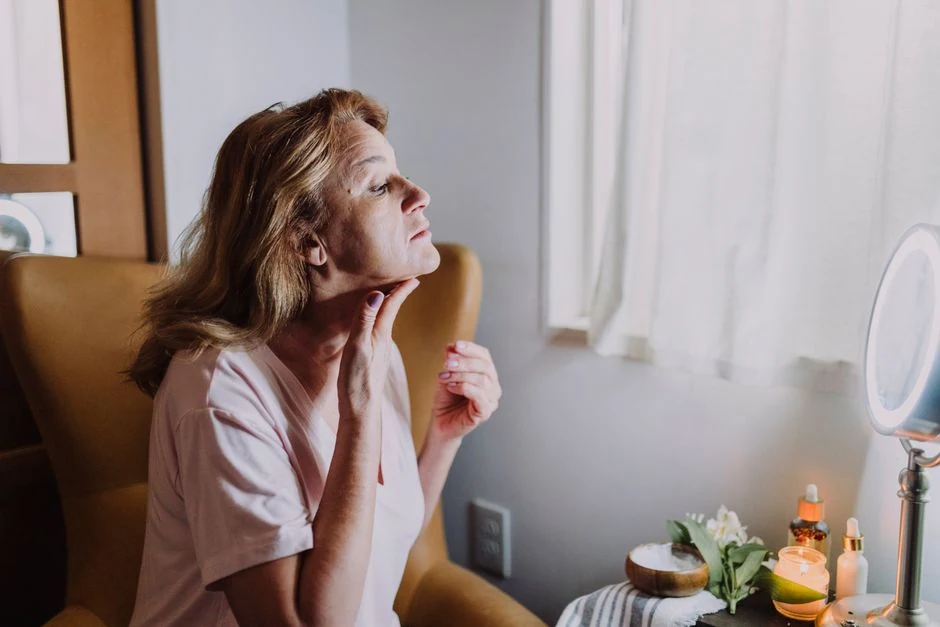
After the First Two Weeks
Less-visible healing continues after social downtime ends. Residual redness may fade gradually, and texture and tone can continue changing. Collagen remodeling develops over a longer period, so it is too early to judge the final result as soon as peeling stops.
Sun protection remains important because recently treated skin is especially vulnerable to discoloration. Use the sunscreen and protective measures recommended by the treating clinician. Avoid tanning and tell the office about upcoming high-exposure travel or outdoor work when planning treatment.
What Can Change the Recovery Timeline?
Two people receiving fractional CO2 resurfacing may have different recoveries. Important variables include:
- The treatment depth, density, number of passes, and size of the area
- The concern being treated and whether scar tissue is involved
- Skin tone and history of post-inflammatory pigment change
- Smoking or nicotine use and conditions that affect healing
- Cold-sore history, infection risk, and prescribed preventive care
- How closely the aftercare plan is followed
A deeper treatment is not automatically “better.” The appropriate intensity balances the desired improvement with safety, healing time, and the risk of complications.
CO2 Laser Aftercare: What Matters Most
Post-treatment instructions are individualized, but the main goals are to keep the area clean, support the healing barrier, prevent infection, and protect the skin from sun and irritation.
- Use only the cleanser, ointment, moisturizer, and sunscreen approved by the treating office.
- Do not pick, exfoliate, or use scrubs on peeling skin.
- Wait for clearance before restarting retinoids, acids, vitamin C, benzoyl peroxide, or other active products.
- Avoid pools, hot tubs, and other exposures the office says could increase infection risk.
- Do not start or stop prescription medication on your own.
Expected Effects vs. Reasons to Call
Temporary redness, swelling, warmth, itching, sensitivity, and peeling can be expected after fractional CO2 treatment. Possible complications include infection, acne-like bumps or milia, pigment change, delayed healing, and scarring.
Contact the treating office promptly for:
- Pain, redness, or swelling that is becoming worse rather than better
- Thick, colored, or foul-smelling drainage
- Fever or other signs of illness
- Extensive blistering or a new cluster of cold-sore-like lesions
- Unexpected darkening, lightening, or an area that is not healing as directed
For a severe reaction or urgent symptoms, follow the emergency instructions provided by your clinician.
How Far Ahead of an Event Should You Schedule?
Do not schedule based only on the earliest day someone else returned to work. If you have a wedding, professional photographs, travel, or another important event, allow a generous buffer beyond the estimated one-to-two-week visible recovery period. Residual pinkness can last longer than peeling.
Also discuss work conditions. Someone working remotely has different practical needs from someone working outdoors, wearing protective equipment, or meeting clients face to face.
CO2 Laser Recovery FAQs
Can I wear makeup after one week?
Only after the skin has healed sufficiently and the treating clinician has cleared it. The timing depends on the treatment and your recovery.
When can I exercise again?
Ask the treating office. Heat, sweating, friction, and exposure to shared equipment may not be appropriate during early healing.
How long will redness last?
Redness usually improves gradually, but it can outlast peeling and social downtime. Treatment intensity, skin response, and treatment area all affect the timeline.
Does one CO2 session produce the final result?
Some patients may see meaningful improvement after one treatment, while others may need a staged plan. No session can completely erase scars, wrinkles, or sun damage, and results vary.
Plan Fractional CO2 Treatment in Bridgewater, NJ
A useful consultation should cover not only what fractional CO2 may improve, but also the recovery that fits your calendar, skin history, and risk profile. PS Dermatology and Surgery offers individualized CO2 laser planning and aftercare at its Bridgewater office.
Schedule a consultation online or call 732-443-3975.
This article provides general education. Follow the personalized instructions given by the clinician treating your skin.
Frequently Asked Questions
How long does CO2 laser recovery take?
Most patients experience about one to two weeks of visible social downtime after CO2 laser resurfacing, while deeper biologic healing and collagen remodeling may continue for several months. The raw, red phase is temporary. Your settings and skin type influence your timeline, so follow your clinician's individualized plan.
What should you expect in the first 24-48 hours after CO2 laser?
In the first 24 to 48 hours, expect redness, swelling, and a warm, sunburn-like sensation as skin begins healing. Gentle cleansing and consistent moisturizing help protect treated zones. Follow your provider's aftercare instructions closely, and contact your Bridgewater clinician if you notice unusual pain, bleeding, or signs of infection.
What is the difference between social downtime and full healing?
Social downtime is the period when skin looks too red, swollen, or crusted to appear comfortably in public, typically one to two weeks. Full healing is longer, as collagen remodeling and deeper repair continue for months. Understanding both timelines helps you set realistic expectations for your CO2 laser recovery.
Why does fractional CO2 laser shorten surface recovery?
Fractional CO2 laser treats microscopic columns of skin rather than the entire surface, leaving healthy tissue between treated zones to speed repair. According to Mayo Clinic, this approach supports faster healing. Individualized settings at PS Dermatology help match your downtime to your goals and comfort level.
How should you care for your skin during CO2 laser recovery?
Gentle cleansing, frequent moisturizing, and diligent sun protection support healing during CO2 laser recovery. Avoid picking crusts or applying harsh products, which may disrupt repair. Every patient's skin heals differently, so talk to your doctor and follow the individualized aftercare plan your treating clinician provides.
When should you call your clinician after CO2 laser resurfacing?
Contact your doctor if you notice increasing pain, spreading redness, pus, fever, or other signs that may suggest infection or delayed healing. Some redness and swelling are expected, but changes outside your provider's guidance warrant a call. When in doubt, consult your treating clinician promptly for reassurance.
Does CO2 laser recovery vary from person to person?
Yes, CO2 laser recovery varies based on skin type, treatment settings, and individual healing responses. Some patients heal faster than others, and deeper treatments may extend downtime. Because outcomes differ, always follow the personalized recovery plan your clinician provides and discuss any concerns with your treating provider.
Ready to talk with a dermatologist?
Schedule a visit with our team at PS Dermatology and Surgery in Bridgewater, NJ - serving patients throughout Central New Jersey.