

Medical Dermatology
Acne as a Medical Condition: Types, Scarring Risk, and Treatment
Quick answer: Acne is a medical condition involving clogged follicles and inflammation. Deep nodules or cysts, developing scars or persistent dark marks, widespread disease, uncertain diagnosis, or acne that does not improve with consistent over-the-counter care are reasons to consider a dermatologist evaluation.
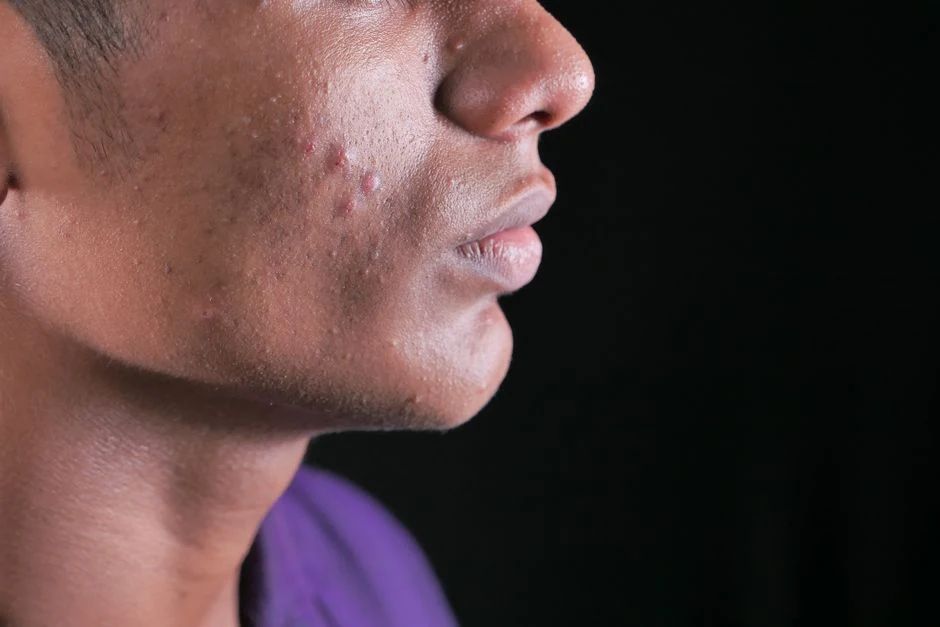
Acne is not simply a cosmetic nuisance. It is a medical condition involving clogged hair follicles, oil production, inflammation, and bacteria within the skin. Mild acne may consist mainly of blackheads and whiteheads, while more inflammatory disease can cause tender papules, pustules, deep nodules, cysts, discoloration, and permanent scars.
Because different forms of acne respond to different treatments, the first useful question is not “Which spot treatment should I buy?” It is “What type and severity of acne is present, and is there a risk of scarring?”
How Dermatologists Classify Acne
A dermatologist looks at the kinds of lesions present, their number and distribution, the degree of inflammation, and whether scars or persistent dark marks are developing. Acne may involve the face, chest, shoulders, or back.
Comedonal acne
Whiteheads and blackheads are comedones—pores blocked by oil and dead skin cells. A blackhead is not dirt; the material darkens because the pore remains open. Scrubbing aggressively can irritate the skin without clearing the blockage.
Inflammatory acne
Papules are red or skin-colored inflamed bumps, while pustules contain visible fluid. When many inflamed lesions are present, treatment usually needs to address the broader acne-prone area rather than one blemish at a time.
Nodules and cysts
Nodules and cysts develop deeper in the skin and may be painful. The American Academy of Dermatology (AAD) advises dermatologist care for this type of acne because it carries a greater risk of permanent scarring. Earlier evaluation can help reduce the chance of additional scars.
Why an Accurate Diagnosis Matters
Not every acne-like eruption is acne vulgaris. Rosacea, folliculitis, perioral dermatitis, medication reactions, and other conditions can produce bumps that look similar. Using the wrong treatment can irritate the skin or delay appropriate care.
During an evaluation, a dermatologist may ask when the eruption began, which products or medications have been tried, whether lesions itch or hurt, whether flares follow a pattern, and whether scars or pigment changes are appearing. Medical history, current medications, and pregnancy or pregnancy plans can affect which treatment options are appropriate.
When Acne Can Cause Lasting Skin Changes
Deep inflammation can damage the skin’s supporting tissue and leave raised or depressed scars. Acne can also leave flat red, purple, brown, or gray marks after a lesion heals. These marks are not the same as scars, but they may persist and can be especially noticeable in skin of color.
Picking or squeezing increases inflammation and can raise the risk of discoloration and scarring. If painful lesions, dark marks, or scars are accumulating, it is reasonable to seek care before trying another cycle of over-the-counter products.
Medical Treatment Is Based on Acne Type and Severity
There is no single best acne medication for every patient. The AAD guideline supports several topical and systemic therapies, often used in combinations that target different parts of the disease process. A treatment plan may include one or more of the following categories.
Topical therapies
Options supported by the AAD guideline include benzoyl peroxide, sulfur lotion, topical retinoids, topical antibiotics, clascoterone, salicylic acid, and azelaic acid. The choice depends on the acne pattern, skin sensitivity, other medical considerations, and what has already been tried. Prescription and nonprescription products can cause irritation, and some are not appropriate during pregnancy, so individualized guidance matters.
Oral medications
For moderate to severe inflammatory acne, a dermatologist may consider an oral antibiotic, a hormonal treatment for an appropriate patient, or isotretinoin. These are clinician-directed treatments with specific risks, monitoring needs, and pregnancy precautions. The AAD recommends limiting systemic antibiotic use and pairing it with benzoyl peroxide and other topical therapy when appropriate to reduce antibiotic resistance.
Procedures for selected lesions or scars
A dermatologist may use a procedure for a particular lesion or discuss scar treatment after active acne is controlled. Procedures are not interchangeable, and the best option depends on lesion type, scar type, skin tone, medical history, and current medications.

Signs It Is Time to See a Dermatologist
Consider a dermatology evaluation when:
- You have deep, painful nodules or cysts.
- Acne is leaving scars or persistent dark marks.
- Breakouts are widespread on the face, chest, shoulders, or back.
- Several weeks of consistent, label-directed over-the-counter care have not helped.
- Products repeatedly cause significant irritation.
- The diagnosis is uncertain or the eruption looks different from prior acne.
- Acne is affecting mood, confidence, school, work, or social life.
- You are pregnant, planning pregnancy, or breastfeeding and need treatment guidance.
You can learn more about acne evaluation and treatment at PS Dermatology and Surgery. To discuss a persistent or scarring eruption in Bridgewater, New Jersey, schedule a dermatology evaluation.
Frequently Asked Questions
Is acne a medical condition?
Yes. Acne is a disease of the hair follicle and oil gland involving clogged pores and inflammation. Severity ranges from comedones to deep nodules and cysts.
Which types of acne are most likely to scar?
Deep, inflamed nodules and cysts carry a higher risk of permanent scarring. Picking or squeezing lesions can also increase inflammation and skin damage.
Why might a dermatologist combine acne medications?
Different medications target different parts of acne formation. Combining complementary therapies can address clogged pores, inflammation, and bacteria while supporting responsible antibiotic use.
When should acne be evaluated by a dermatologist?
Seek an evaluation for deep or painful acne, developing scars or persistent dark marks, widespread disease, uncertain diagnosis, or acne that does not improve with consistent over-the-counter care.
Can acne treatment differ during pregnancy?
Yes. Some acne medications are not appropriate during pregnancy. Tell the prescribing clinician if you are pregnant, planning pregnancy, or breastfeeding before starting treatment.
Sources
- American Academy of Dermatology: How to Treat Different Types of Acne
- American Academy of Dermatology: Acne Diagnosis and Treatment
- American Academy of Dermatology: Acne Clinical Guideline
This article is for general education and is not medical advice or a diagnosis. Treatment decisions should be made with a qualified healthcare professional. No medical review of this draft has been recorded.
Frequently Asked Questions
What can I use to spot-treat a pimple?
Common over-the-counter options include benzoyl peroxide or salicylic acid. Use one product as directed on its label, apply only a thin layer, and stop if significant irritation develops.
Why should I avoid popping a pimple?
Picking or squeezing can increase inflammation and the risk of infection, discoloration, and scarring. Deep pimples are especially likely to worsen when forced.
Can a pimple patch treat cystic acne?
A hydrocolloid patch may protect a surface-level blemish from touching or picking, but it does not reach a deep nodule or cyst.
When should I see a dermatologist for acne?
Consider an evaluation for deep or painful acne, recurring or widespread breakouts, developing scars or dark marks, or acne that does not improve with consistent label-directed care.
Are blackheads caused by dirty skin?
No. Blackheads form when a clogged pore remains open and its contents oxidize. Aggressive scrubbing may irritate the skin and worsen acne.
Ready to talk with a dermatologist?
Schedule a visit with our team at PS Dermatology and Surgery in Bridgewater, NJ - serving patients throughout Central New Jersey.