

Cosmetic Dermatology
Fraxel 1550 vs. 1927: Which Wavelength Fits Your Skin Concern?
TL;DR: The 1550 nm wavelength penetrates deeper to remodel collagen and elastin, making it the common choice for acne scars, surgical scars, and wrinkles. The 1927 nm wavelength stays more superficial to target pigment, sun damage, age spots, and actinic keratosis. Fraxel DUAL lets a clinician use one or both, customized to your skin.
Fraxel DUAL combines two nonablative fractional laser wavelengths—1550 nm and 1927 nm—in one platform. They do not perform the same job. The 1550 nm wavelength generally reaches relatively deeper skin layers and is commonly considered for texture and scar remodeling. The 1927 nm wavelength acts more superficially and is commonly selected for sun-related discoloration and uneven tone.
The choice is not simply “scars versus spots.” A dermatologist may use one wavelength, use both, or recommend a different treatment after examining the concern, skin tone, medical history, and risk of pigment change.
How Fractional Nonablative Treatment Works
“Fractional” means the laser treats microscopic zones while leaving surrounding skin untreated. “Nonablative” means Fraxel DUAL heats targeted tissue without removing the entire outer skin surface the way an ablative CO2 treatment does.
Those microscopic treatment zones prompt a repair response. The settings—including energy, density, number of passes, and treatment area—are individualized. The device name alone does not determine the result or recovery.
PS Dermatology offers the Fraxel DUAL 1550/1927 system at its Bridgewater office for selected concerns involving tone, texture, photodamage, wrinkles, and scarring.
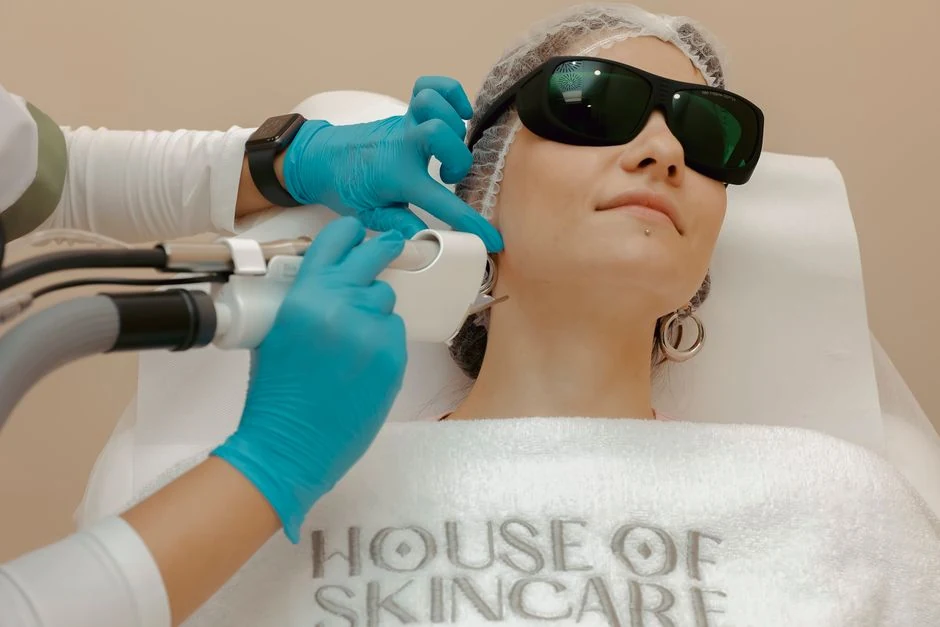
Fraxel 1550: The Relatively Deeper Wavelength
The 1550 nm wavelength penetrates relatively deeper than 1927 nm. It is commonly considered when the main goal involves collagen remodeling and texture, including selected acne scars, surgical scars, and fine lines.
The FDA-cleared indications for the current Fraxel system include resurfacing and selected concerns such as acne scars, surgical scars, periorbital wrinkles, dyschromia, and certain pigmented lesions. FDA clearance describes what the device may be used to treat; it does not mean every person with one of those concerns is a candidate.
Concerns often discussed for 1550 nm
- Depressed acne scars and uneven texture
- Selected surgical scars
- Fine lines and wrinkles
- General texture remodeling
Scar type matters. Ice-pick, boxcar, rolling, raised, and tethered scars do not respond in the same way, and laser may be only one part of a broader treatment plan.
Fraxel 1927: The More Superficial Wavelength
The 1927 nm wavelength targets more superficial layers and is commonly considered for pigment-related concerns such as sun spots, freckles, and uneven tone. The FDA-cleared indications include selected pigmented lesions such as lentigines (age or sun spots), solar lentigines, and ephelides (freckles), as well as actinic keratosis.
A brown spot should be diagnosed before it is treated cosmetically. Lesions that are changing, bleeding, symptomatic, or uncertain require medical evaluation rather than assumption that they are routine sun damage.
Concerns often discussed for 1927 nm
- Sun spots and visible photodamage
- Freckles and selected areas of uneven pigmentation
- Superficial tone irregularity
- Actinic keratosis when medically evaluated and included in an appropriate treatment plan
Melasma and a history of post-inflammatory hyperpigmentation require particular caution. Heat and inflammation can worsen pigment in some patients, so a dermatologist may recommend conservative settings, pretreatment, another modality, or no laser at all.
Fraxel 1550 vs. 1927 at a Glance
| Question | 1550 nm | 1927 nm |
|---|---|---|
| Relative treatment depth | Deeper | More superficial |
| Common treatment goal | Texture and collagen remodeling | Surface pigment and photodamage |
| Often considered for | Acne or surgical scars, fine lines, uneven texture | Sun spots, freckles, uneven tone, selected actinic damage |
| Does it fit every patient? | No—scar type, skin history, settings, and goals matter | No—diagnosis and pigment-change risk matter |
This table is a starting point, not a prescription. The 1550 nm wavelength also has FDA-cleared pigment-related indications, and some patients have both textural and pigment concerns.
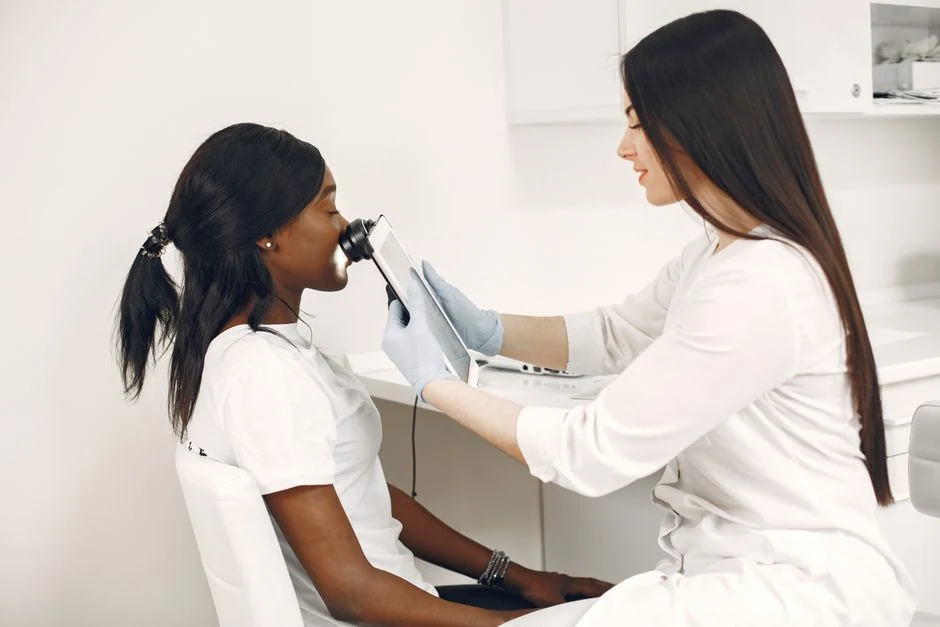
When a Dermatologist May Use Both Wavelengths
A combined plan may be considered when someone has more than one appropriate concern—for example, acne-scar texture plus sun-related discoloration. Using both wavelengths is not automatically better or more efficient.
In other cases, treatment may be staged. Addressing one concern first can make the response easier to evaluate and may be more appropriate for sensitive skin or a history of pigment change.
How Fraxel Differs From Fractional CO2
Fraxel DUAL is nonablative. Fractional CO2 is ablative, meaning it removes microscopic columns of surface tissue while heating deeper skin. CO2 generally involves more visible healing, while nonablative Fraxel treatment generally has a different and often shorter recovery profile. That does not mean Fraxel is “gentle” for every person or that CO2 is always more effective.
The better option depends on the treatment target, desired degree of change, acceptable downtime, skin tone, scar or pigment history, and willingness to complete a series of treatments.
What Recovery Can Involve
Temporary redness, swelling, warmth, sensitivity, and a rough or dry texture can occur after Fraxel. Pigmented areas may appear temporarily darker before they flake or fade. The intensity and duration vary with the wavelength, settings, area, and individual response.
PS Dermatology’s published estimate is up to one week of downtime, but that should be treated as a planning estimate rather than a guarantee. For a fuller discussion of work, events, exercise, skin care, and warning signs, read the practice’s Fraxel recovery guide.
Risks and Candidacy Considerations
Possible risks include prolonged redness, swelling, infection, acne-like breakouts, cold-sore reactivation, unwanted darkening or lightening of the skin, and uncommon scarring. Eye protection is required during laser treatment.
Tell the dermatologist about:
- Your tendency to develop dark marks after irritation, acne, or procedures
- Melasma, vitiligo, raised scars, or poor wound healing
- Cold sores or other recurrent skin infections
- Recent tanning, sunburn, or upcoming high-exposure travel
- Prescription medicines, supplements, and recent isotretinoin use
- Previous laser procedures and how your skin responded
Do not stop medication or begin a “laser prep” product without instructions from the treating clinician.
Results and Number of Sessions
Fraxel results are usually gradual. Texture improvement depends on collagen remodeling, while pigment improvement may be seen as treated spots darken temporarily and clear. Multiple sessions may be recommended, but there is no universal number.
Fraxel cannot completely erase scars, permanently remove all pigment, or stop future sun damage and aging. Maintenance and daily sun protection may be part of the long-term plan.
Questions to Bring to Your Fraxel Consultation
- What is the diagnosis behind the texture or discoloration I want to treat?
- Would you recommend 1550 nm, 1927 nm, both, or a different procedure—and why?
- How do my skin tone and pigment history affect the plan?
- What improvement is realistic for my scar type or pigment concern?
- How many sessions might be considered, and how would they be spaced?
- What downtime and aftercare should I plan for the proposed settings?
- Which changes after treatment should prompt a call?
Compare Fraxel Options in Bridgewater, NJ
The most useful Fraxel consultation starts with the concern—not the wavelength. PS Dermatology and Surgery can evaluate your skin, explain which treatment depth may fit, and discuss the expected tradeoffs among improvement, recovery, and pigment risk.
Schedule a consultation online or call 732-443-3975.
This article provides general education and is not a substitute for an individual medical evaluation.
Frequently Asked Questions
What is the difference between Fraxel 1550 and 1927?
Fraxel 1550 nm penetrates deeper to address texture concerns like wrinkles, scarring, and general skin resurfacing, while the 1927 nm wavelength works nearer the surface to target pigment and photodamage. The DUAL system pairs both, so your provider may select one or combine them based on your specific goals.
Which Fraxel wavelength is best for pigmentation and sun damage?
The 1927 nm wavelength is generally selected for surface concerns like pigmentation, sunspots, and photodamage. Because it works closer to the skin's surface, it may help address discoloration, while the 1550 nm targets deeper texture concerns. Talk to your doctor about which wavelength or combination may fit your skin.
Can Fraxel 1550 and 1927 be used together in one session?
Yes, the Fraxel DUAL platform allows providers to combine both wavelengths in a single customized session. This lets a clinician address texture with 1550 nm and pigment or surface photodamage with 1927 nm at once. Your provider determines the appropriate configuration based on an in-person evaluation of your concerns.
What does Fraxel 1927 mean?
Fraxel 1927 refers to the 1927 nm wavelength within the Fraxel DUAL fractional laser system. This wavelength works closer to the skin's surface and is often used to target pigment concerns and photodamage. It complements the deeper 1550 nm wavelength, giving providers flexibility to address multiple concerns.
Is Fraxel DUAL ablative or nonablative?
Fraxel DUAL is a nonablative fractional laser, meaning it does not remove the skin's surface layer. It treats skin in microscopic zones while leaving surrounding tissue intact to support repair. This generally means a different recovery experience than ablative resurfacing, though individual responses vary. Consult your provider for details.
How is Fraxel DUAL different from the older Fraxel Re:store?
The legacy Fraxel Re:store primarily featured the 1550 nm wavelength, focused on texture concerns. Fraxel DUAL adds the 1927 nm wavelength, giving providers more flexibility to target pigment and surface photodamage alongside texture. Your provider can explain which configuration may be appropriate for your specific skin goals.
How do I know which Fraxel wavelength is right for me?
Candidacy for Fraxel 1550, 1927, or both is determined during an in-person evaluation with a qualified provider. Factors may include your skin concerns, skin type, and treatment goals. This information is educational, not a substitute for professional assessment, so talk to your doctor before deciding.
Ready to talk with a dermatologist?
Schedule a visit with our team at PS Dermatology and Surgery in Bridgewater, NJ - serving patients throughout Central New Jersey.